
Mastering Sales Objections: The Complete 2026 Playbook
At Lone Star State Solutions, we specialize in building integrated Revenue Growth Systems that combine proven sales structures with modern execution frameworks. This guide shares our battle-tested approach to designing a high-performing sales organization so you can create consistent, scalable growth in today’s competitive landscape.
The New Sales Reality
The sales landscape has undergone a seismic shift. In 2026, buyers arrive more informed, more skeptical, and more price-aware than ever before. They've already researched your competitors, read reviews, and formed opinions before your sales team ever gets them on the phone.
For businesses, this creates both a serious risk and a real opportunity. Sales teams that master objection handling turn hesitation into trust and close more of the deals they're already generating. Those who don't watch qualified leads — leads that cost real marketing dollars to generate — quietly walk away.
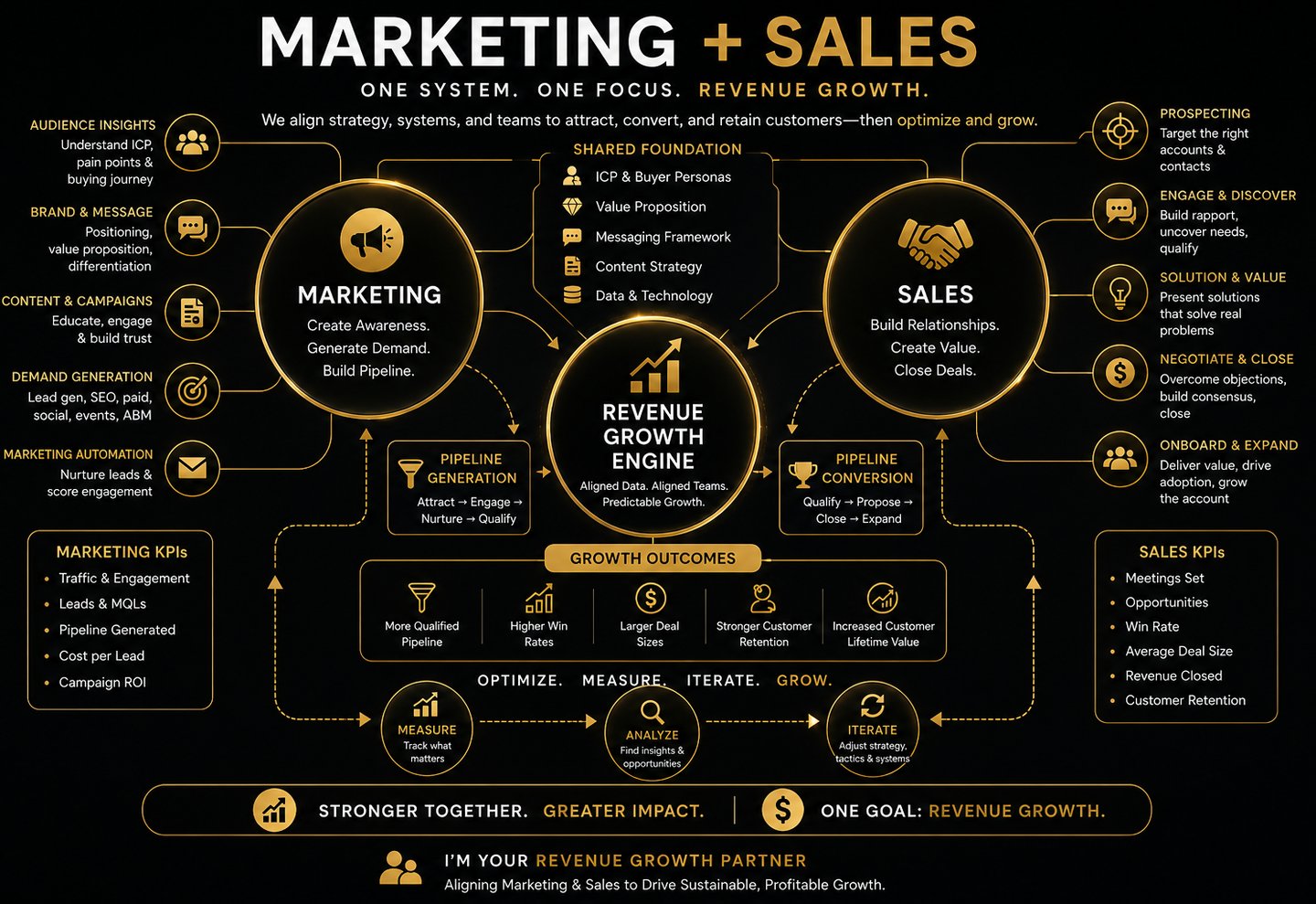
At Lone Star State Solutions, we build integrated Revenue Growth Systems that connect marketing and sales, because generating a lead is only half the equation. This guide shares our proven framework for handling the objections that stand between a qualified lead and a closed deal.
Understanding Sales Objections
A sales objection isn't rejection — it's a request for more information, reassurance, or clarity. It is the intersection of trust (does the buyer believe you) and timing (does the buyer believe now is the right moment).
Why This Matters in 2026
More than 60% of deals stall, not because of price alone, but because of unresolved doubt somewhere in the sales process.
Buyers now expect transparency before commitment — vague answers lose deals faster than high prices.
Referral and reputation signals carry more weight than ever, meaning objections often reflect what a prospect read online before they called.
Sales teams that treat objections as conversations, not confrontations, consistently close at higher rates than teams that treat them as obstacles to push past.
Businesses that ignore objection handling as a discipline risk losing deals to competitors who simply communicate better — not competitors with a better product.
Core Components of a Winning Objections
1. Structural Excellence
A clearly defined, repeatable sales process from first contact to close
Objection-response scripts built around your actual most common objections — not generic templates
CRM stages that reflect where deals really stall, so patterns become visible
Consistent call review and coaching cadence
2. Objections Buyers Actually Raise
Most objections fall into four categories:
Price — "It's too expensive" / "I can get this cheaper elsewhere"
Trust — "I've never heard of you" / "How do I know this will work?"
Timing — "We're not ready right now" / "Let me think about it"
Authority — "I need to check with my partner/boss/spouse"
Each category requires a fundamentally different response — treating all objections the same is the single most common reason scripts fail.
3. The E-E-A-T of Sales Conversations
Buyers evaluate salespeople the same way search engines evaluate content — through signals of:
Experience — Do you understand their specific situation, not just your product?
Expertise — Can you answer follow-up questions confidently, without a script?
Authority — Do you have proof (case studies, results, testimonials) to back your claims?
Trustworthiness — Are you transparent about limitations, pricing, and timelines?
4. Authority Building Within the Conversation
Referencing specific, relevant results (not generic claims)
Naming similar clients or situations you've solved before
Being upfront about what your product or service doesn't do
Following up with proof points after the call, not just a generic recap
Practical Objection-Handling Tactics You Can Implement Today
Use the "Feel, Felt, Found" framework: "I understand how you feel. Other clients felt the same way. Here's what they found after starting."
Ask a clarifying question before responding — most objections hide a more specific concern underneath
Never argue the objection directly — reframe it instead
Address price objections with value anchoring, not discounting first
Handle "I need to think about it" by asking what specifically needs more thought
Follow up within 24 hours with a specific answer to the objection raised, not a generic check-in
Record and review calls monthly to identify new objection patterns before they become common
Measuring Success in Objection Handling
Key metrics to track:
Close rate by objection type (which objections are killing the most deals?)
Time-to-close after an objection is raised vs. deals with no objections
Script adherence rate on reviewed calls
Objection recurrence — are the same objections coming up every month, signaling a marketing/messaging gap upstream?
Win/loss interviews on lost deals to capture the real objection, not just the stated one
Common Mistakes Businesses Make
Treating every objection as a price problem, even when it isn't
Using generic, one-size-fits-all scripts not built around real buyer concerns
Arguing with the objection instead of exploring it
Failing to follow up with a specific answer after the call ends
Never reviewing lost deals to find the pattern behind the loss
Letting marketing and sales operate in silos, so sales never tells marketing what objections keep surfacing
How Lone Star State Solutions Delivers Results
We don't sell isolated sales training. We build complete Revenue Growth Systems that include:
Full sales process and call audits
Custom objection-handling scripts built around your real buyer conversations
Sales team training and live coaching
CRM pipeline configuration that surfaces objection patterns
Integration with lead generation, marketing, and conversion optimization — so the leads you generate actually close
Our clients — small businesses, contractors, professional service firms, and more — see measurable improvements in close rate and shorter sales cycles.
Your Next Move
Objection handling is no longer a "nice to have" sales skill — it's the difference between a marketing budget that pays for itself and one that doesn't.
The question isn't whether your prospects will raise objections. They will. The question is whether your sales process is ready to turn those objections into closed revenue.
Ready to close more of the leads you're already generating? Book Your Free Revenue Growth Strategy Session or contact Lone Star State Solutions today to begin building your custom Sales Development & Scripting system.

Lone Star State Solutions
We help businesses increase online visibility, generate qualified leads, improve sales performance, and accelerate revenue growth through AI Search Visibility (SEO + GEO), digital marketing, and data-driven strategies.
© 2026 Lone Star State Solutions, LLC • Serving Businesses Across Texas & the United States
Explore Our Services
Tell us about your business and we'll reach out with a personalized growth strategy.
Contact Us
(903) 309-3684
contact@lonestarstate-solutions.com